
Aluminum Windows
Sleek, modern, and incredibly strong. Ultra-narrow frames maximize glass area for stunning contemporary design.
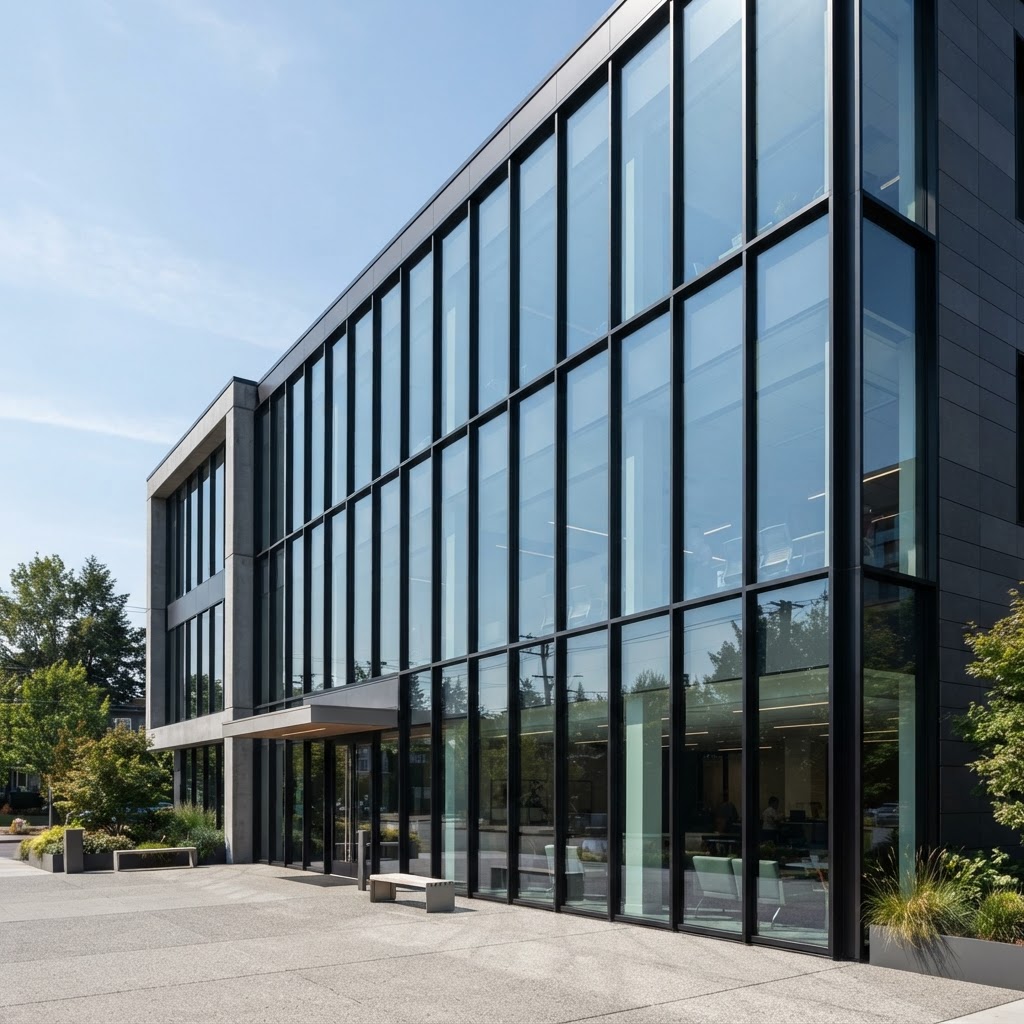
The Modern Choice for Contemporary Architecture
Aluminum windows have become synonymous with cutting-edge architectural design. Their exceptional strength-to-weight ratio allows for incredibly thin profiles—often just 1-2 inches—that maximize glass area and create the signature "walls of glass" aesthetic demanded by contemporary architecture. When you want unobstructed views and flood interiors with natural light, aluminum is the clear choice.
Modern aluminum windows feature thermally broken frames—a critical innovation that addresses aluminum's primary weakness: heat conductivity. A thermal break is an insulating barrier (typically polyurethane or polyamide) placed between the interior and exterior aluminum sections, dramatically reducing heat transfer. This technology transforms aluminum from an energy liability into a high-performance window system that meets or exceeds energy codes while maintaining those sleek, minimalist profiles.
Aluminum's inherent durability makes it ideal for large-format windows, floor-to-ceiling glass walls, and commercial applications. It won't warp, rot, or deteriorate, and modern powder-coat finishes resist fading and corrosion for decades. For architects and homeowners prioritizing clean lines, maximum transparency, and long-term structural integrity, aluminum windows deliver uncompromising performance.
Aluminum Window Advantages
Ultra-Slim Profiles
Thinnest frames available—maximize glass area for unobstructed views and abundant natural light.
Exceptional Strength
Superior structural capacity supports large glass units and floor-to-ceiling designs without deflection.
Modern Aesthetics
Clean lines and minimalist design perfect for contemporary, industrial, and mid-century modern homes.
Long-Lasting Finish
Powder-coated or anodized finishes resist fading, chalking, and corrosion for 30+ years.
Aluminum Window Technology
Thermally Broken Construction
The most critical innovation in aluminum windows is the thermal break—a non-conductive barrier that separates the interior and exterior aluminum sections. Without this, aluminum windows would be energy disasters, conducting heat and cold directly through the frame. Modern thermal breaks use polyamide or polyurethane strips, typically 1-2 inches wide, creating an insulating barrier that dramatically reduces heat transfer. Premium systems use multiple thermal breaks and can achieve U-factors as low as 0.30, competing with wood and fiberglass for energy efficiency while maintaining those signature slim profiles.
Structural Glazing Systems
Aluminum's strength enables structural glazing—a technique where glass is bonded directly to the frame with high-performance silicone, eliminating visible perimeter frames. The result is continuous glass surfaces with minimal visual interruption, creating that coveted "frameless" appearance. This system is engineered to withstand wind loads, seismic forces, and thermal stress while maintaining weathertight seals. Structural glazing is the go-to solution for curtain walls, large picture windows, and any application where transparency is paramount.
Powder Coat & Anodized Finishes
Aluminum windows are finished through either powder coating or anodizing—both providing superior durability. Powder coating electrostatically applies colored polymer powder that's then cured at high temperature, creating an incredibly tough, uniform finish available in unlimited colors including popular matte black, bronze, and champagne. Anodizing is an electrochemical process that converts the aluminum surface into a durable aluminum oxide layer—essentially growing the finish from the metal itself. Anodized finishes highlight aluminum's natural metallic beauty and are virtually impossible to damage or wear through. Both finishes resist UV fading, corrosion, and weathering for 30+ years without maintenance.
Narrow Sightlines for Maximum Glass
Because aluminum is so strong—about 3x stronger than vinyl and 2x stronger than fiberglass—manufacturers can create extremely narrow frame profiles without sacrificing structural integrity. Sightlines (the visible frame width) can be as narrow as 3/4 inch, compared to 2-3 inches for vinyl or wood. This means significantly more glass area per window opening, flooding interiors with natural light and creating seamless connections to outdoor spaces. For contemporary homes where every inch of glass matters, aluminum delivers unmatched transparency.
Integrated Shading Systems
Aluminum's rigidity makes it ideal for integrating advanced shading systems directly into the window frame. Motorized roller shades, retractable screens, and automated venetian blinds can be concealed within the head and sill, controlled via smartphone or home automation. These systems reduce solar heat gain while maintaining views, eliminate the need for separate window treatments, and create ultra-clean interior aesthetics. Perfect for smart homes where technology and design converge.
Hurricane & Impact Rating Capability
Aluminum's strength makes it the preferred choice for impact-rated and hurricane-resistant windows. The frames can withstand the extreme loads imposed by laminated impact glass and meet stringent Florida Building Code and Miami-Dade requirements. Aluminum windows can be engineered to resist wind speeds exceeding 200 mph and projectile impacts from storm debris. For coastal properties in hurricane zones, aluminum offers peace of mind along with beauty and performance—a combination that's difficult to achieve with other materials.
Popular Finishes & Configurations
Matte Black Aluminum
The most popular contemporary finish. Dramatic contrast against light walls, perfect for modern and industrial designs.
Bronze Anodized
Warm metallic finish with luxury appeal. Complements brick, stone, and wood exteriors beautifully.
Champagne Powder Coat
Elegant light metallic finish. Sophisticated alternative to white or aluminum mill finish.
Perfect For:
Contemporary & Modern Homes
The definitive choice for clean-lined modern architecture. Aluminum's minimalist aesthetic and narrow profiles are essential for achieving authentic contemporary design.
Large-Format Windows
Floor-to-ceiling glass walls, corner windows, and panoramic views require aluminum's structural capacity. No other material can span large openings while maintaining slim profiles.
Commercial Applications
Storefronts, office buildings, and mixed-use developments rely on aluminum's durability, low maintenance, and design flexibility.
Coastal Properties
Salt air won't corrode properly finished aluminum. Combined with impact ratings, ideal for oceanfront homes in hurricane zones.